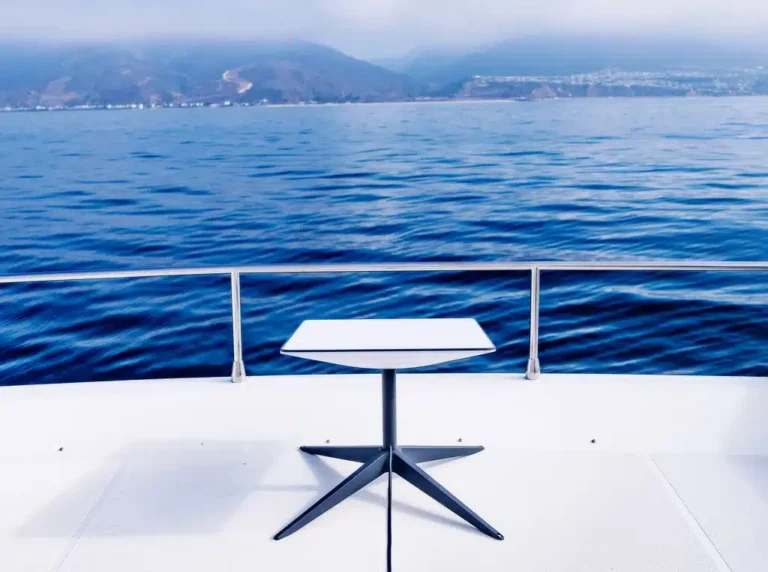



Where the Standard dish suits a house or a temporary site, the Performance dish is for installations that stay put and have to keep working - mastheads, exposed rooftops, remote plant, vehicles in winter service. Published specification (Starlink)
Specification
- Ingress protection: IP68 with no cables installed
- Operating temperature: -40°C to 60°C (-40°F to 140°F)
- Wind: survivable above 280 kph (174 mph)
- Snow melt: up to 85 mm/hour (3.5 in/hour)
- Average power draw: 75-100 W Which numbers actually matter
- The snow-melt rate and the temperature band. A dish that clears 85 mm an hour keeps a site up through a storm instead of needing someone on a ladder with a broom. The wind figure matters wherever the dish cannot be stowed - masthead, gantry, roof rack. Power planning
- 75-100 W average is the specification that catches people out. On a vessel or off-grid site, put that through the battery budget before committing - it is several times a Starlink Mini, and it draws whenever the link is up. Router options
- Pair with the Starlink Gen3 Router, the Router Mini, or a third-party router. On our installs it usually sits behind a Peplink B One 5G or MAX so SpeedFusion can bond the Starlink link with cellular and ride out obstructions and handovers rather than dropping the call. Mounting
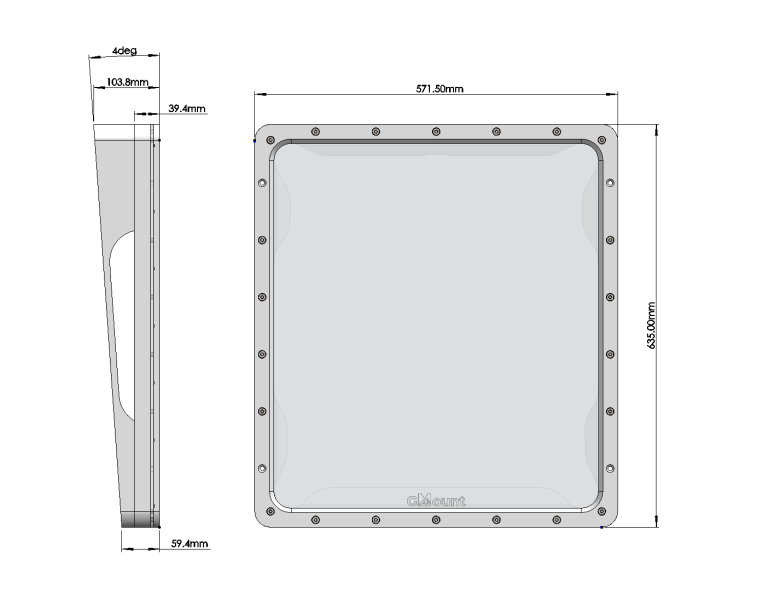
- Use the GMount for Starlink Gen3 Performance or the GMount for Starlink High Performance Flat. The Standard Gen3 mount is a different form factor and will not fit.
Request a quote.