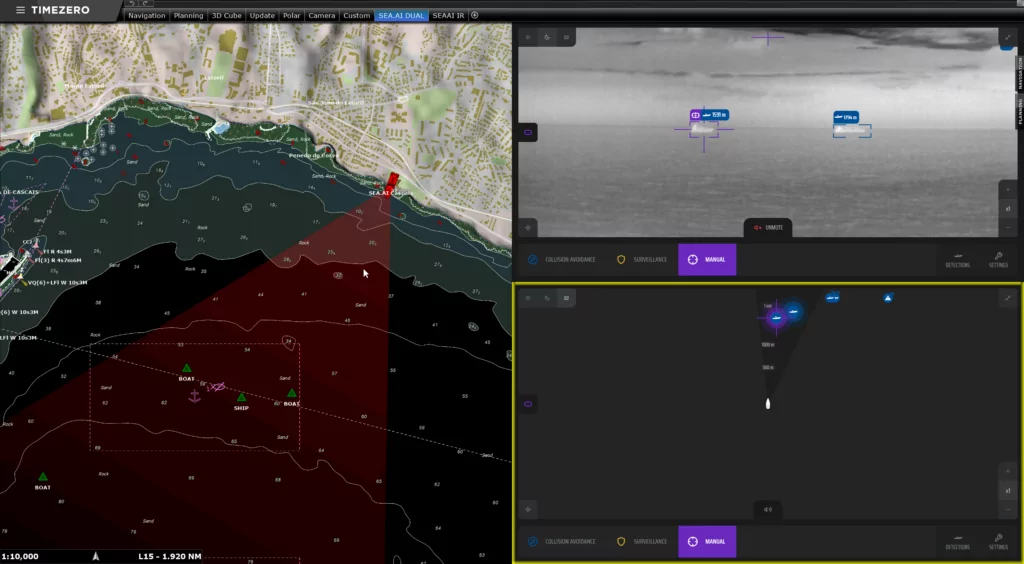
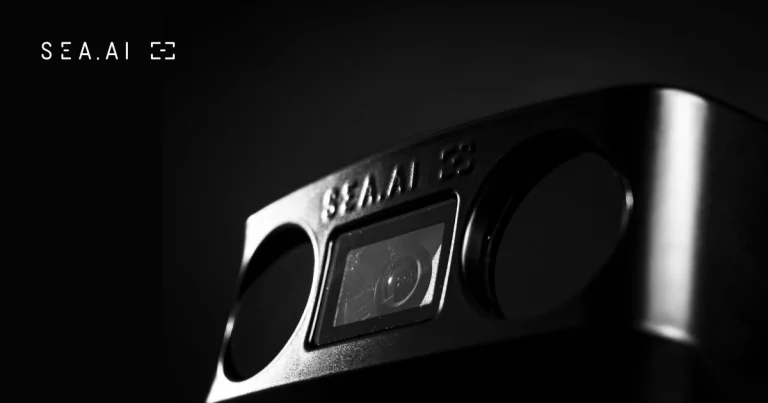
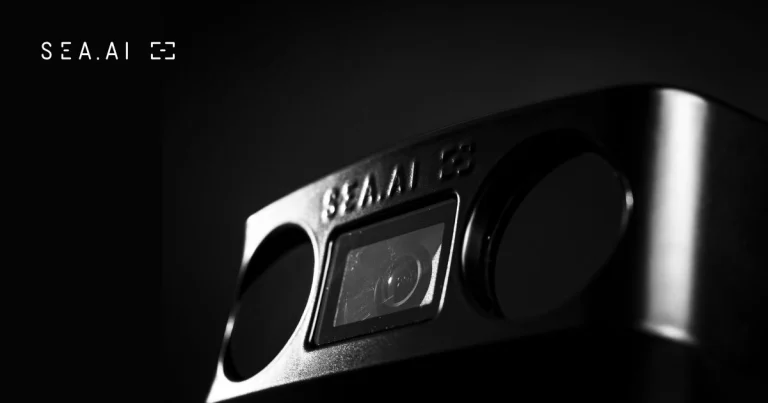
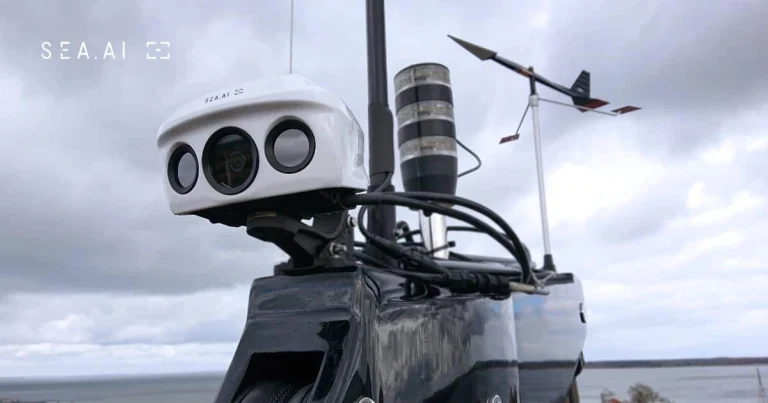
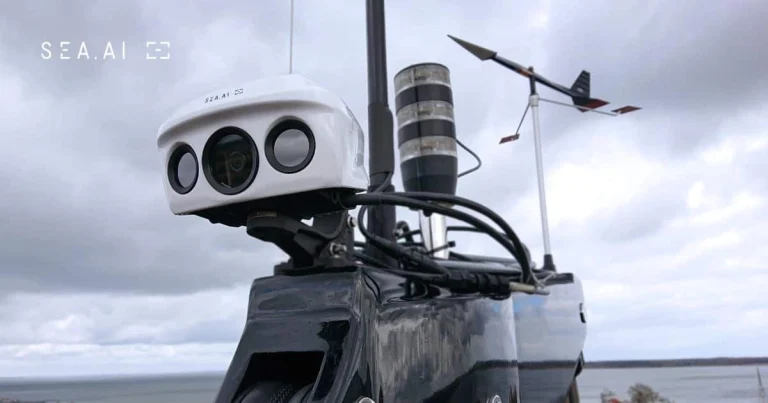
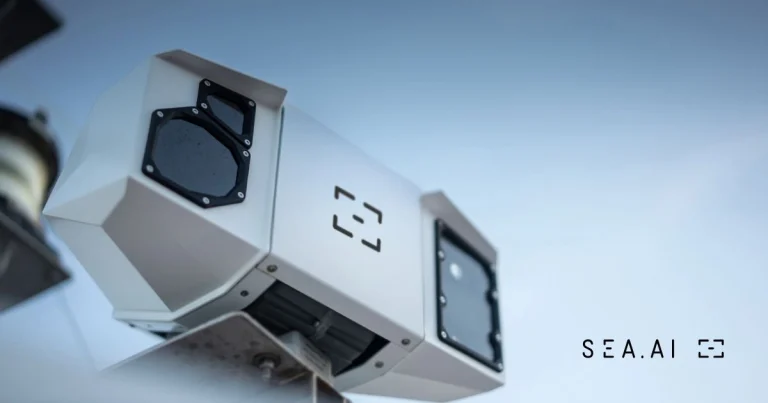
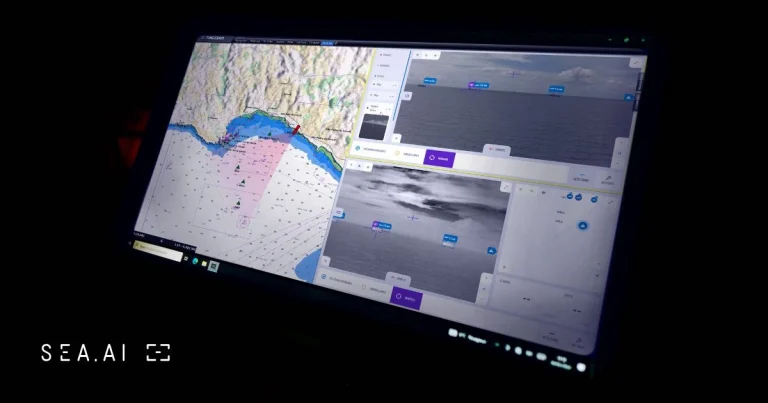
SEA.AI is camera-based detection and AI lookout for watchkeepers – collision and situational awareness on the same ops VLAN GMTS designs for Starlink. It is detection hardware and network, not a training simulator.
What we supply
SEA.AI camera and compute placement with RF and sightline notes
PoE, switch ports and ops VLAN so detection does not fight guest streaming
TimeZero integration where the navigation brief calls for it
Secure remote viewing paths over the vessel WAN
Who it is for
Yachts and commercial vessels adding an AI lookout on an existing or new WAN
Owners and captains who want detection on the ops segment – not on guest Wi‑Fi
Not training schools – for bridge and FRC simulators see Simulation
How we deliver
Survey sightlines, power and network capacity with the captain
Specify SEA.AI class and cabling for the ops segment
Commission detection, TimeZero links and remote paths
Handover with crew notes and GMTS escalation
From the manufacturer
See it in action.
Video: SEA.AI
Shop these systems
SEA.AI lookout models
Watchkeeper, Competition, Sentry and Brain, AI lookout scoped per vessel. Request a quote. Pair with Peplink PoE on the ops VLAN.