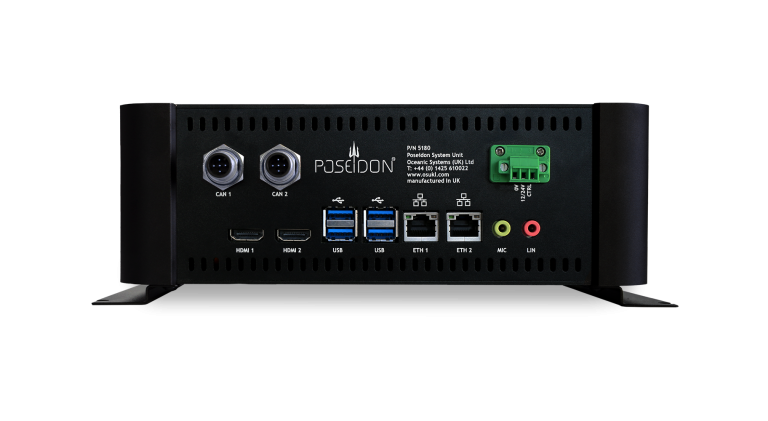



Fuel, water and waste tanks that only live in someone’s head are a poor system. On the boats we fit out, tank and energy data belongs on the NMEA 2000 backbone so the helm, the monitoring software and the skipper’s phone can all see the same numbers.
Oceanic Systems (Poseidon displays, tank senders, adaptors) sits next to YachtDevices on the GMTS shop for that job. This note is the editorial anchor for those PDPs.
Typical stack
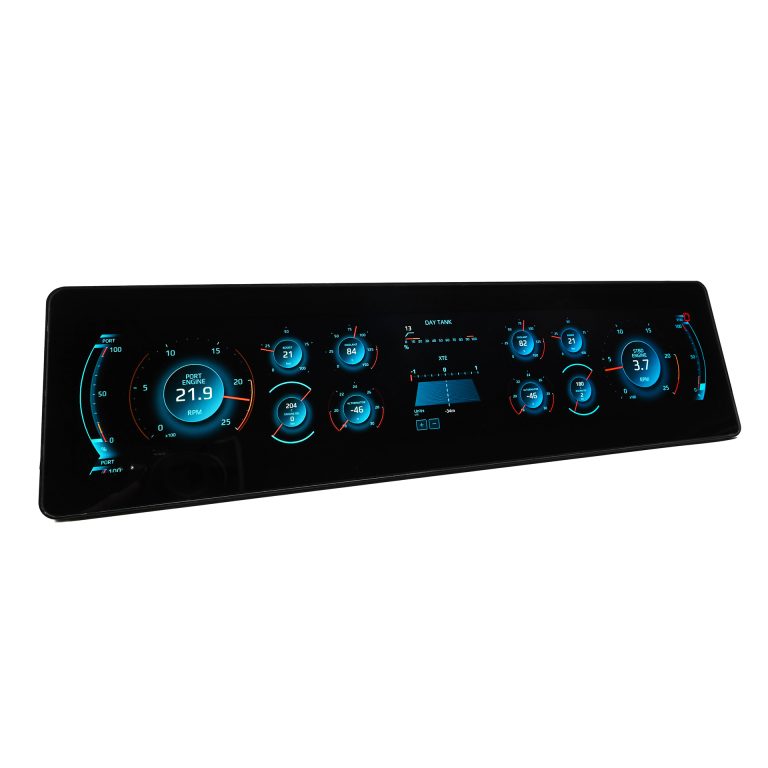
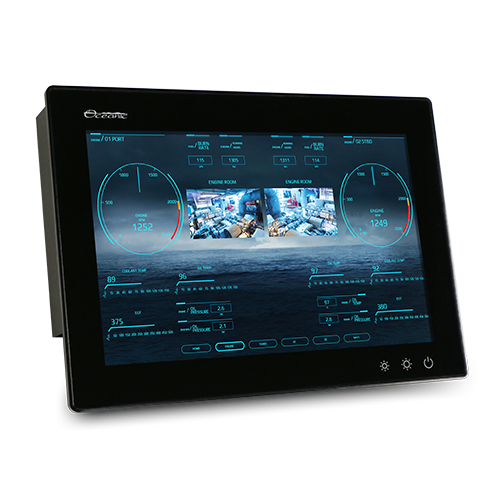
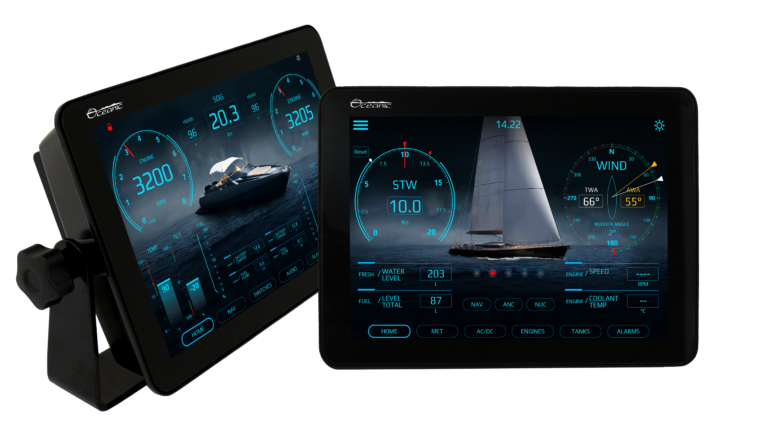
- Poseidon display or computer for the helm or engine-room view — tanks, batteries and the electrical bits you care about underway.
- Fuel and water senders plus tank-level adaptors on the NMEA 2000 backbone, sized to the tanks you have.
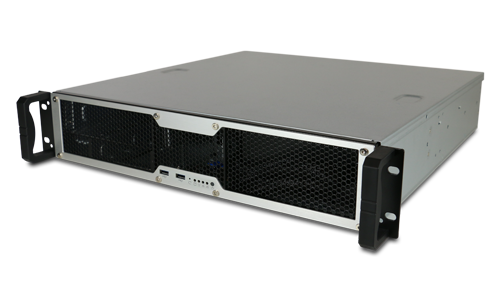
- YachtDevices gateway when you also need Wi-Fi, USB or Ethernet onto the same backbone — so VesselNow, a laptop or a phone can subscribe without another proprietary silo.
What we check before we order
- Existing NMEA 2000 power and terminators — adding senders to a sick backbone just adds noise.
- Tank type and sender compatibility (resistive, voltage, ultrasonic) before promising a Poseidon screen will just work.
- Where the display lives: sunlight, night dimming, and whether the engineer needs a second head in the engine room.
- Who consumes the data: plotter only, VesselNow, or both.
Keep the rails clean
Oceanic and YachtDevices PDPs get marine monitoring news. We do not hang Peplink 8.6 posts or UniFi Protect bulletins off a tank sender SKU.
Talk to the team
Planning a tank or energy upgrade? Talk to the marine team or book a time. See onboard networking and related monitoring in the shop.